
When a Curse Leaves a Scar - Parashat Balaq
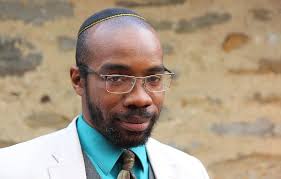
Parashat Balaq contains one of the Torah's great reversals. Balaq hires Bilam to curse the Jewish people. Bilam opens his mouth expecting one set of words, and blessing flows forth instead. Every attempt to diminish Israel becomes an expression of praise. Every effort to weaken the people becomes another affirmation of G'd's care for them.
The story has inspired generations of Jews. We celebrate G'd's ability to overturn human intentions and transform hostility into hope. We repeat Mah Tovu every morning as we enter the synagogue, remembering that one of Judaism's most beloved prayers began as the frustrated speech of a man who wished us harm.
The Talmud, however, introduces another layer to the story.
In Sanhedrin 105b, Rabbi Abba bar Kahana notes that–referencing the episode of Bilam–Deuteronomy 23:6 speaks of G'd transforming “the curse” into a blessing, using the singular rather than the plural, revealing that almost every one of Bilam's blessings eventually reverted into the very curses he originally intended. Only one blessing endured permanently: Mah tovu ohalekha Yaaqov—"How beautiful are your tents, O Jacob." The sanctity of Jewish homes, synagogues, and houses of study remained a lasting blessing.
That teaching invites careful reflection.
Bilam's words praised the Children of Israel’s population, prosperity, and future leadership. Each blessing contained seeds that later emerged in painful ways. A growing nation encountered attrition at the tragedy of Baal Peor. Material abundance fostered later spiritual complacency. Royal greatness developed into generations of political turmoil.
The blessings produced genuine good, yet they also carried lingering consequences because they emerged from a heart filled with hostility rather than goodwill.
The Torah therefore presents a truth about human experience that reaches far beyond Bilam.
People possess extraordinary resilience. Communities possess extraordinary creativity. Entire cultures possess remarkable capacities for adaptation and flourishing. Human beings consistently discover ways to build beauty from brokenness, meaning from hardship, and hope from painful circumstances.
The African-American experience reflects that remarkable capacity with extraordinary depth.
Generation after generation, Black Americans transformed conditions of oppression into expressions of creativity, dignity, excellence, and joy. Families nurtured children whose achievements changed the nation. Religious institutions meant to control became centers of faith, education, political organizing, and communal care. Music born from suffering gave the world spirituals, blues, jazz, gospel, rhythm and blues, hip-hop, and countless other artistic traditions. Literature, scholarship, entrepreneurship, scientific achievement, culinary innovation, and civic leadership flourished despite generations of legal and social barriers.
American cuisine itself tells part of that story.
Enslaved Africans received the portions of animals that plantation owners considered undesirable. Creative hands, inherited knowledge, careful seasoning, and remarkable ingenuity transformed those ingredients into beloved dishes that continue to shape American food culture today. What began as an expression of deprivation became an enduring contribution to the nation's table.
Every generation carried forward an inheritance of resilience.
At the same time, history leaves its imprint upon communities.
Policies shape neighborhoods. Laws shape opportunities. Stereotypes shape expectations.
Repeated encounters with discrimination influence emotional health, educational outcomes, economic mobility, and communal trust. Trauma echoes across generations.
Memory remains present within families. Cultural adaptations develop in response to historical realities and continue influencing later generations.
Success and scars often travel together.
That dynamic resembles the Talmud's reading of Bilam's blessings.
The Jewish people received blessings that produced genuine flourishing. Those blessings also carried consequences connected to the hostile intentions from which they emerged. Flourishing became real. Lasting effects also became real.
The African-American experience reveals a similar complexity.
Centuries of oppression never succeeded in extinguishing Black brilliance. Black excellence transformed every field of American life. Black faith strengthened communities. Black scholarship expanded knowledge. Black creativity reshaped global culture. Black leadership broadened the nation's understanding of justice and democracy.
The marks left by oppression continue inviting healing, restoration, and renewed flourishing.
Parashat Balaq therefore encourages a mature understanding of redemption.
G'd transforms curses into blessings.
Human beings transform hardship into strength.
Communities transform suffering into creativity.
History continues shaping the lives of later generations.
Jewish tradition remembers all these truths simultaneously.
The enduring blessing within Bilam's words centered upon Mah Tovu.
"How beautiful are your tents, O Jacob."
The Talmud associates those tents with Jewish homes, synagogues, and houses of study. Places where identity receives nourishment. Places where memory receives care. Places where wisdom passes from one generation to the next. Places where people gather to strengthen one another. Every generation adding another layer to that inheritance.
"How beautiful are your tents, O Jacob."
Those words remind us that blessing flourishes most deeply wherever communities gather to remember their dignity, strengthen one another, and cultivate futures greater than the burdens of their past.
Shabbat Shalom


Comments