
Chag Kasher v’Sameach
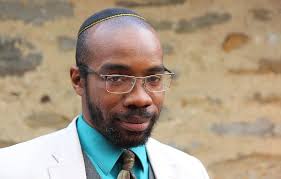
- Rabbi Shais Rishon
- Apr 1
- 3 min read
There is a moment just before the Exodus unfolds in full. Not the splitting sea, not the thunder of liberation, not even the first steps into the wilderness.
Earlier. Smaller. More intimate.
A home. A table. A people learning, perhaps for the first time in generations, how to speak to their children about who they are.
“וְהִגַּדְתָּ לְבִנְךָ בַּיּוֹם הַהוּא
V'higgad'ta l'vin'kha bayyom hahu
And you shall tell your child on that day.”
Not: "Proclaim to the masses." Not: "Declare to the empire."
But: "Explain to your child."
Pesach begins not with spectacle, but with transmission.
And that is where we find ourselves again.
At Ohel Ëidot Chemdata, we are beyond preserving a story, we are holding a conversation across generations, across geographies, across the many textures of the Jewish African diaspora. Secular, traditional, religious. Fluent and searching. Rooted and still becoming. Each voice part of the same unfolding telling.
Because the Haggadah anticipates difference.
The wise, the questioning, the distant, and the one who does not yet know how to ask.
And perhaps the quiet radicalism of Pesach is this: that every one of them is seated at the same table.
No one is turned away.
No one is beyond the story.
No one is exempt from being told—or from telling.
There is a temptation, in every generation, to flatten this complexity. To imagine that redemption is a single voice, a single path, a single kind of belonging. But the Torah resists that instinct. It insists, gently and persistently, that geulah, redemption, is multifaceted. That memory is plural. That our covenant is capacious enough to hold a people in all their difference without dissolving their shared destiny.
As African-American Jews we know, perhaps more acutely than most, what it means to navigate layered identity. To carry histories that are too often told in fragments, or not told at all. To be asked—implicitly or explicitly—to choose between parts of ourselves that were never meant to be divided.
Pesach answers that fragmentation not with argument, but with ritual.
Eat this.
Tell this.
Remember this.
Again and again, until the story becomes not just something we inherited, but something we inhabit.
And so this year, as you prepare your homes, your tables, your sedarim, we invite you to lean into that inheritance with intention:
To ask—not only the Four Questions, but your own.
To tell—not only the fixed text, but the living story of your people.
To listen—for the voices at your table, especially the ones that do not always find easy expression.
And to remember that liberation is not a moment we commemorate, it is a practice we continue.
In the work of building Ëidot CHEMDaT”À, we are, in our own way, participating in that same sacred act of telling. Expanding the table. Naming what has too often gone unnamed. Ensuring that the next generation does not have to search as hard to find themselves within the story of Am Yisrael.
This is slow work. It is holy work. And it is work that only exists because of you—your presence, your support, your commitment to a vision of Jewish life that is both deeply rooted and expansively inclusive.
May this Pesach bring you remembrance and renewal.
Questions, and courage to ask them.
Stories received, and stories reclaimed.
And may we merit to see a redemption that honors the fullness of who we are and who we are still becoming.
Chag Kasher v’Sameach,


Comments