
Shabbat Parah
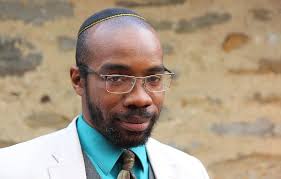
- Rabbi Shais Rishon
- Mar 6
- 3 min read

On Shabbat Parah we read of the Parah Adumah, the red heifer burned beyond the camp, its ashes mixed with living water, sprinkled upon one who has touched death. And we hear the echo in the words of the haftarah from the book of Ezekiel, “I will sprinkle upon you pure waters, and you shall be purified.”
The calendar presses toward Pesach, toward freedom. But first, the paradox of ashes that do not sully, but cleanse.
The Torah classifies its commandments. There are mishpatim—laws the civilized mortal mind could have independently reached. There are eidot—rituals we would not necessarily organically arrive at, but whose meaning we can articulate. And then there are chuqqim—decrees that stand beyond the conceptions of our mortal logic.
The Red Heifer is the choq par excellence. Touch impurity deliberately or by accident, lightly or deeply—it makes no difference. The result is the same. No gradations. No negotiation.
This is not how we prefer to live. We prefer distinctions, levels, nuance. And Judaism certainly knows how to distinguish: between premeditated murder and negligence, between self-defense and bloodshed, between levels of charity and categories of labor. We are a people of priorities.
And then comes the choq and says: there is a realm where reason bows. A realm where the will of the Holy One stands whole, indivisible. “This is the decree of the Torah.” The chassidic masters note the phrase is expansive: not only this decree—but in truth, every mitzvah rests upon Divine will, existing beyond mortal notions of logic and morality.
It is just that some mitzvot arrive clothed in mortal reason. Others arrive bare.
The paradox unsettles us. Those who prepare the ashes become impure. Those who are sprinkled become pure. As the Midrash in Midrash Tanchuma records: “I have made a decree. You may not transgress My decrees.” The mind strains. The heart learns.
The Lubavitcher Rebbe drew a fierce ethical lesson from this ritual. If your fellow has been touched by corruption or despair, you do not stand at a safe distance guarding your own spiritual hygiene. The kohen must involve himself, even knowing he will descend a rung in the process. Holiness is not preserved by isolation, it is deepened through responsibility.
For African American Jews, this teaching lands with particular force.
We know what it means to live in proximity to historical death—chattel slavery, racial terror, generational grief. We know what it means to carry, in our bodies and communities, memories others would rather archive and forget. Contact with death—literal and social—has never been theoretical for us.
And yet the Torah does not say: avoid those who have been marked by death. It says: purify. Engage. Enter the ash heap and bring water.
But here is the further paradox. The one who purifies becomes impure. There is a cost to being the bridge. There is a cost to standing in two worlds and refusing to relinquish either. The kohen does not emerge untouched. He participates in the rehabilitation of another and bears a temporary diminishment.
For Eidot CHeMDaT”A Jewry, the labor of spiritual mediation—between Black communities and Jewish communities, between histories of oppression and narratives of redemption—can feel like that priestly task. We pour living water onto wounds not always of our own making. We translate pain into prayer, protest into Torah, memory into mitzvah. And sometimes, yes, we are left weary.
Shabbat Parah whispers: this weariness is not failure. It is service.
Pesach approaches. Freedom demands preparation. Not only the removal of chametz from our homes, but the burning away of arrogance, the husk of ego that tells us we can remain pure by standing apart. The red heifer—symbol of G’vurah, of severity—must be burned. Its fire must be mixed with water, with chessed—kindness. Judgment transformed into compassion.
We are not asked to solve the paradox. We are asked to inhabit it. To accept that some aspects of holiness cannot be diagrammed or domesticated. To recognize that every mitzvah, even the most rational, ultimately rests upon a will beyond us.
And to remember: even after contact with death, purification is possible.
Ash does not have the last word.
Water does.


Comments